While no single vitamin can guarantee prevention, research shows that certain vitamins work as powerful allies—protecting your cells, supporting immune defenses, and keeping harmful damage at bay. By understanding the role of vitamins like D, A, C, E, K, and the B complex, you can make informed choices to support your health through everyday foods and, when needed, personalized supplementation. This guide explores which vitamins matter most, how they function, and practical steps to incorporate them safely into your lifestyle to help reduce your cancer risk.
The Vital Role of Vitamins in Cancer Prevention
When it comes to protecting your body from cancer, vitamins play a crucial role by acting as antioxidants—substances that neutralize free radicals. Free radicals are unstable molecules that can damage your cells and DNA, potentially leading to cancer. By nourishing your body with the right vitamins, you help strengthen its natural defenses, keeping your cells healthier and more resilient.
Key Vitamins That Support Cancer Defense
Vitamin D
Often called the “sunshine vitamin,” vitamin D supports immune health and helps regulate cell growth. Studies suggest it may reduce the risk of breast, colon, and prostate cancers. You can boost your vitamin D through safe sun exposure, fatty fish like salmon, eggs, and fortified foods. If you have limited sun exposure or certain health conditions, your healthcare provider may recommend supplementation.
Vitamin A
Found in carrots, leafy greens, and liver, vitamin A helps regulate how cells grow and develop. It maintains the health of your skin, lungs, and digestive system—areas where cancer can develop. Eating vitamin A-rich foods can support healthy tissue and reduce the chances of abnormal cell changes.
Vitamin C
Famous for immune support, vitamin C also protects your DNA by neutralizing free radicals. It helps your body produce collagen, essential for maintaining healthy skin and blood vessels. Fresh fruits like oranges, strawberries, and vegetables like broccoli are excellent sources.
Vitamin E
This fat-soluble antioxidant protects cells from oxidative stress. Nuts, seeds, and vegetable oils provide natural vitamin E. While vitamin E might help reduce certain cancer risks, it’s important not to exceed recommended amounts, as high doses could be harmful.
Vitamin K
Often overlooked, vitamin K supports blood clotting and bone health. Importantly, it also appears to help inhibit the growth of cancer cells. Including dark leafy greens, cruciferous vegetables (like broccoli and Brussels sprouts), and fermented foods can boost your vitamin K intake.
B Vitamins
The B complex vitamins—including folate, B6, and B12—play vital roles in DNA repair, cell growth, and metabolism. Whole grains, beans, and leafy greens are rich in B vitamins, helping your body maintain healthy cells and recover from daily damage.
Myths About Vitamin Supplements and Cancer Prevention
It’s tempting to think that high-dose vitamin supplements are a quick fix—but that’s not the case. Taking large doses of certain vitamins may actually increase cancer risk rather than reduce it. Vitamins work best when they complement a balanced diet rich in diverse, nutrient-dense foods. Always consult with your healthcare provider before starting any supplement, especially if you have a personal or family history of cancer.
Practical Tips to Include Cancer-Fighting Vitamins in Your Life
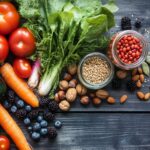
Start by enjoying a colorful variety of fruits and vegetables every day—think leafy greens, berries, carrots, and citrus fruits. Incorporate nuts, seeds, fatty fish, and whole grains into your meals to cover essential vitamins naturally. If you’re considering supplements, your doctor can help you choose safe, effective options tailored to your needs.
Along with a nutritious diet, maintain a healthy lifestyle: stay physically active, avoid tobacco products, limit alcohol intake, and manage stress. Making these choices together gives your body the best chance to stay strong and lower your cancer risk.
Remember, small, consistent steps can add up over time to support your long-term well-being.
Frequently Asked Questions About Vitamins and Cancer Prevention
- Can taking vitamin supplements prevent cancer completely?
No supplement can guarantee cancer prevention. Vitamins help support your body’s defenses but should complement a healthy diet and lifestyle, not replace them. - Are high doses of vitamins safe?
High doses of some vitamins can be harmful and may increase cancer risk. Always talk to a healthcare provider before starting any high-dose supplements. - How can I get enough vitamin D if I don’t get much sun?
Foods like fatty fish, fortified dairy products, and egg yolks provide vitamin D. Your doctor may also recommend supplements based on your blood levels and health status. - Is it better to get vitamins from food or supplements?
Getting vitamins from a balanced diet is best because foods provide a complex mix of nutrients and fiber. Supplements may be helpful in some cases but should be personalized and supervised by a healthcare professional. - Can vitamins help after a cancer diagnosis?
Vitamins support overall health and may help patients during treatment, but any supplementation should be carefully managed alongside your oncology care team.
Further Reading
For more detailed information on vitamins and cancer prevention, you can visit trusted sources such as the National Cancer Institute, the Mayo Clinic’s guide on vitamins and supplements, or the Centers for Disease Control and Prevention.
Empower Yourself
Empower yourself with knowledge and take practical steps today to nourish your body against cancer—your health is worth it.