Skin cancer is the most common cancer in the United States, and understanding its types, risks, and treatments is essential for protecting yourself and your loved ones. While basal cell and squamous cell carcinomas are frequent and usually treatable, melanoma—a less common but more aggressive form—requires prompt attention due to its potential to spread rapidly. This guide will help you recognize warning signs, understand your individual risk factors, and explore current advances in diagnosis and treatment, empowering you to take proactive steps toward early detection and effective management.
Understanding Skin Cancer: Types, Causes, and Who Is at Risk
Skin cancer primarily results from harmful ultraviolet (UV) radiation from sunlight or artificial sources like tanning beds. The most common types are basal cell carcinoma and squamous cell carcinoma, which often respond well to treatment when found early. Melanoma originates in pigment-producing cells called melanocytes and can be more dangerous if not detected quickly. If you have fair skin, many moles, a family history of skin cancer, or have had significant sun exposure, your risk is higher. Additionally, certain genetic mutations—such as in the CDKN2A and BRAF genes—can increase your susceptibility to melanoma, even with limited UV exposure. If you have a family history of skin cancer or notice changes in your moles, it’s a good idea to talk with your healthcare provider about genetic counseling and testing. For more on how genetics can influence melanoma risk, visit the National Cancer Institute’s page on [genetic susceptibility to melanoma](https://www.cancer.gov/types/skin/hp/melanoma-prevention-pdq).
Recognizing Melanoma Early: The ABCDE Guide
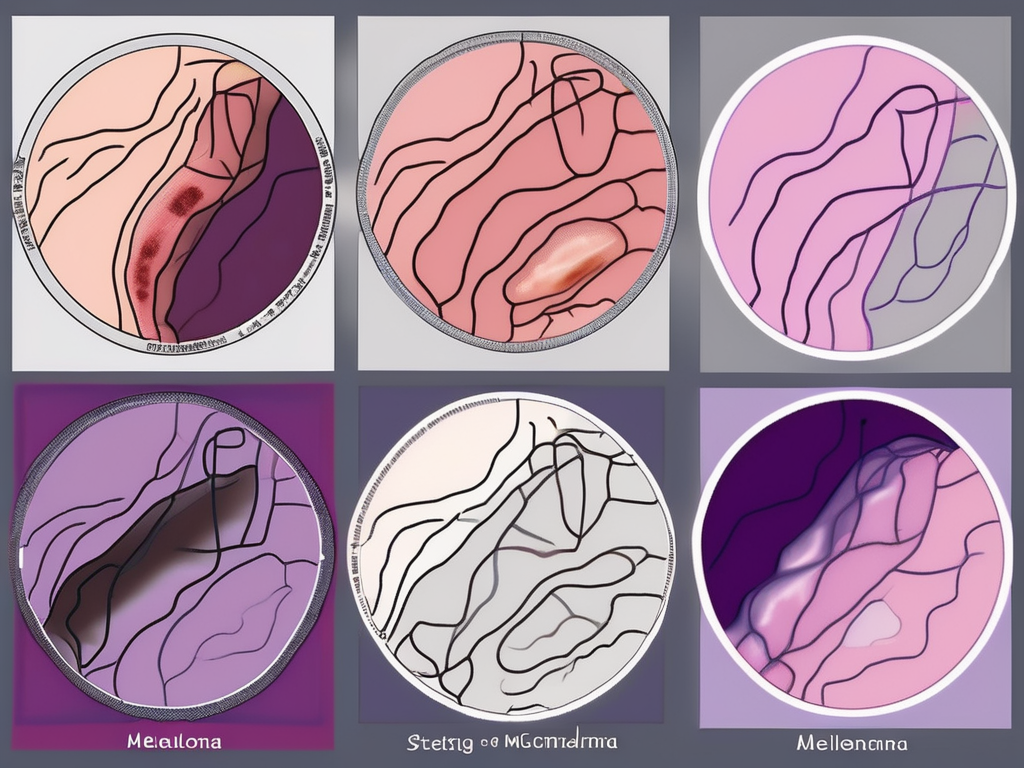
Early detection of melanoma can save lives. The ABCDE rule is a helpful way to spot suspicious moles or skin changes:
– **A**symmetry: One half of the mole doesn’t match the other.
– **B**order: Edges are uneven, scalloped, or blurred.
– **C**olor: The mole has multiple colors or uneven shading.
– **D**iameter: Typically larger than a pencil eraser (>6mm).
– **E**volution: Any change in size, shape, color, or symptoms like itching or bleeding.
Performing regular self-exams and scheduling professional skin checks can help you find concerning changes early. The American Academy of Dermatology recommends monthly self-exams and annual professional skin checks for those at increased risk. To learn more about identifying melanoma and assessing risk, see the Mayo Clinic’s detailed guide on [melanoma signs and diagnosis](https://www.mayoclinic.org/diseases-conditions/melanoma/symptoms-causes/syc-20374884).
Your First Line of Defense: Skin Examination and Diagnosis
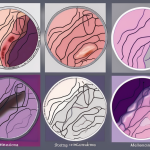
Taking an active role in monitoring your skin health is vital. Look for new moles, sores that won’t heal, or spots that are changing. If you notice anything unusual, don’t wait to consult a healthcare professional. Dermatologists use tools like dermoscopy—a skin microscope—and sometimes take a biopsy to confirm whether a lesion is cancerous. Early diagnosis enables a wider range of treatment options and better outcomes.
Treatment Approaches: From Surgery to Advanced Therapies
For basal and squamous cell carcinomas, surgery is often the primary and most effective treatment. Procedures such as excisional surgery or Mohs surgery precisely remove the cancer while sparing healthy skin. If your melanoma is caught early, surgical removal offers the best chance for cure.
In cases where surgery isn’t possible or the melanoma is more advanced, radiation therapy may be used to control or reduce tumors. This is often combined with immunotherapy or targeted drug treatments tailored to your cancer’s genetic profile, aiming to enhance effectiveness and reduce side effects. For example, treatments targeting BRAF mutations have transformed outcomes for many patients. For a comprehensive overview of treatment options, the National Cancer Institute offers a helpful resource on [melanoma treatment](https://www.cancer.gov/types/skin/patient/melanoma-treatment-pdq).
Managing Advanced Melanoma and Brain Metastases
Melanoma can sometimes spread to other parts of the body, including the brain. While this is a serious situation, recent advances in surgery, radiation, immunotherapy, and targeted therapies have improved survival and quality of life. If you experience symptoms such as headaches, vision changes, or neurological problems, it’s crucial to seek medical evaluation promptly. Coordinated care by a multidisciplinary team ensures personalized treatment and supportive care to maintain comfort and function. Learn more about managing brain metastases in melanoma from the American Brain Tumor Association at [brain metastases information](https://www.abta.org/tumor-types/brain-metastases/).
Prevention and Ongoing Skin Health
Protecting your skin is the best way to reduce cancer risk. Use broad-spectrum sunscreen daily, wear protective clothing and hats, and avoid peak sun hours between 10 a.m. and 4 p.m. If you’re at higher risk due to genetics or history, regular skin exams and genetic counseling can provide personalized strategies for prevention and early detection. Remember, even after treatment, ongoing monitoring is essential to catch recurrences early and maintain skin health. For more tips on prevention, visit the Centers for Disease Control and Prevention’s page on [skin cancer prevention](https://www.cdc.gov/cancer/skin/basic_info/prevention.htm).
Taking control of your skin health by understanding risks, recognizing warning signs, and seeking timely treatment can make a life-saving difference. Advances in cancer detection and therapies offer hope and improved outcomes for all, so stay informed and proactive in your care.
—
**Frequently Asked Questions**
**1. How often should I perform a skin self-exam?**
It’s recommended to check your skin once a month for any new or changing moles or spots. Use the ABCDE rule to guide your exam and focus on areas hard to see, using mirrors or asking for help.
**2. What should I do if I find a new or changing mole?**
Schedule an appointment with a dermatologist as soon as possible. Early evaluation can determine if a biopsy or further testing is needed to rule out cancer.
**3. Can skin cancer be prevented?**
While not all skin cancers are preventable, you can significantly reduce your risk by protecting your skin from UV radiation—using sunscreen, wearing protective clothing, and avoiding tanning beds.
**4. Is melanoma hereditary?**
Melanoma can run in families due to inherited genetic mutations, but environmental factors like sun exposure also play a big role. If you have a family history, discussing genetic testing with your doctor may be helpful.
**5. What are the treatment options for advanced melanoma?**
Treatment may include surgery, radiation, immunotherapy, targeted drugs, or combinations thereof. Your medical team will tailor treatments based on cancer stage, location, and genetic characteristics.
—
For trustworthy, up-to-date information, consider visiting the [National Cancer Institute](https://www.cancer.gov), [Mayo Clinic](https://www.mayoclinic.org), and the [Centers for Disease Control and Prevention](https://www.cdc.gov). You can also find helpful video resources on skin cancer screening and treatment from the [Mayo Clinic YouTube channel](https://www.youtube.com/user/mayoclinic).