Discover how early detection, a healthy lifestyle, genetic awareness, strong community support, and personal resilience come together to help people prevent cancer and live fuller lives. These inspiring stories reveal practical steps you can take, whether you’re managing genetic risks or simply seeking to improve your overall health. By learning from those who have faced cancer head-on, you’ll find hope and encouragement to build your own path to wellness.
Understanding Early Detection: Your First Line of Defense Against Cancer

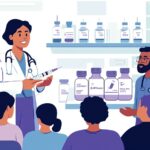
Early detection can dramatically improve your chances of successful treatment and long-term survival. For example, regular screenings for cancers like cervical cancer or melanoma can raise five-year survival rates up to 90%. If you have a family history or carry genetic markers such as the BRCA mutation, talk with your healthcare provider about tailored screening plans. Knowing the early signs and attending scheduled screenings empowers you to catch cancer before it advances, opening up more treatment options.
Building a Healthy Lifestyle That Protects Against Cancer
Eating a balanced diet rich in fruits, vegetables, whole grains, and lean proteins fuels your immune system and helps lower cancer risk. Incorporating regular physical activity—whether it’s walking, yoga, or more vigorous exercise—can maintain a healthy weight and improve your mental well-being. Stress reduction techniques like mindfulness and meditation not only boost emotional health but may also support your body’s resilience. These lifestyle habits not only reduce your risk but can improve your quality of life if you are undergoing treatment.

Navigating Genetic Risks with Proactive Choices
If cancer runs in your family or you carry known genetic mutations, such as BRCA1 or BRCA2, you might feel uncertain about your future health. The good news is that you can take active steps to reduce your risk. Regular genetic counseling and screenings help monitor your health closely. Some individuals opt for preventive measures including lifestyle adjustments, medication, or surgeries to lower their cancer risk. Open conversations with your healthcare team and joining support groups can provide critical emotional and informational assistance.
The Power of Support: Connecting with Community and Caregivers
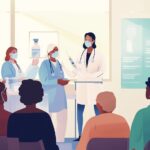
Support from family, friends, medical professionals, and fellow cancer survivors plays a vital role in your journey. Emotional backing can improve resilience, help manage stress, and foster hope. Engage with community programs, local or online support groups, and counseling services to share experiences and gather useful advice. Your healthcare team works alongside caregivers to provide comprehensive medical and emotional care, reinforcing that you are not alone.
Finding Strength in the Face of Cancer

Many survivors discover unexpected strengths during their cancer journey. Whether facing colon cancer, breast cancer, or complications like deep vein thrombosis, they often credit a positive attitude, strong support networks, and setting realistic goals with helping them persevere. These personal stories remind us that adversity can be a catalyst for emotional growth and renewed purpose.
Common Cancer Types and What Increases Your Risk
The most prevalent cancers include lung, breast, ovarian, and colorectal cancer. Risk factors vary: smoking and air pollutants increase lung cancer risk, while genetics, obesity, and alcohol use affect breast cancer. Age and inherited conditions influence ovarian cancer risk, and poor diet combined with inactivity are linked to colorectal cancer. Understanding these factors helps you make informed choices about prevention and screening. For comprehensive information, visit the National Cancer Institute and the American Cancer Society.
Effective Strategies to Lower Your Cancer Risk
You can reduce your cancer risk by adopting healthy habits such as eating nutritious foods, staying physically active, avoiding tobacco, and limiting alcohol. Testing your home for radon, a natural radioactive gas linked to lung cancer, can also improve your safety. Regular health screenings recommended by your healthcare provider enable early detection. Managing stress through connections with supportive people and setting achievable health goals empower you to stay on track.
Staying Motivated to Live Healthily
Maintaining lifestyle changes can be challenging, but setting small, realistic goals can build momentum. Celebrate achievements like daily walks or healthier meals to keep motivated. Building a support circle of friends, family, or community members provides encouragement and accountability. Tracking your progress with journals or apps helps maintain focus. Hearing stories from survivors who have successfully embraced healthier living can inspire you to continue your journey.
Resources for Prevention and Support
Many organizations offer resources to help you on your path to cancer prevention and wellness. The American Cancer Society provides educational materials, local events, and guidance. The Cancer Support Community offers emotional support and networking opportunities. The National Cancer Institute provides extensive information, including podcasts and videos to educate patients and caregivers. Local hospitals may host wellness programs focusing on lifestyle changes and recovery.
Inspirational Stories to Keep You Going
Hearing firsthand accounts from cancer survivors can offer hope and practical advice. For instance, a breast cancer survivor emphasizes the importance of early detection and regular screenings, while another credits mindfulness and community support for coping through treatment. Leaders like Greig Trout and Grant Achatz share their journeys of resilience and advocacy, demonstrating the power of positivity and proactive care in overcoming challenges.
Frequently Asked Questions
1. How can success stories in cancer prevention help me stay motivated?

Reading about others who have successfully reduced their cancer risk shows you that prevention works and inspires hope that you too can make impactful changes to improve your health.
2. What practical steps can I take if I have a family history of cancer?
Talk with your healthcare provider about genetic counseling and personalized screening schedules. Adopt a healthy lifestyle, stay informed, and consider joining support groups for additional guidance.
3. How often should I get cancer screenings?
Screening recommendations vary depending on your age, gender, family history, and risk factors. Your healthcare provider can advise you on the best schedule for screenings such as mammograms, colonoscopies, or Pap tests.
4. Can lifestyle changes really lower my cancer risk if I carry genetic mutations?
Yes. While genetics play a role, maintaining a healthy diet, exercising, avoiding tobacco, and managing stress can significantly reduce your overall risk alongside medical interventions.
5. Where can I find reliable support during cancer prevention or treatment?
Trusted organizations like the American Cancer Society, Cancer Support Community, and your healthcare provider’s support services offer emotional support, education, and community connections to assist you.
For further reading on cancer prevention and support
Visit the National Cancer Institute and watch educational videos from the Mayo Clinic.