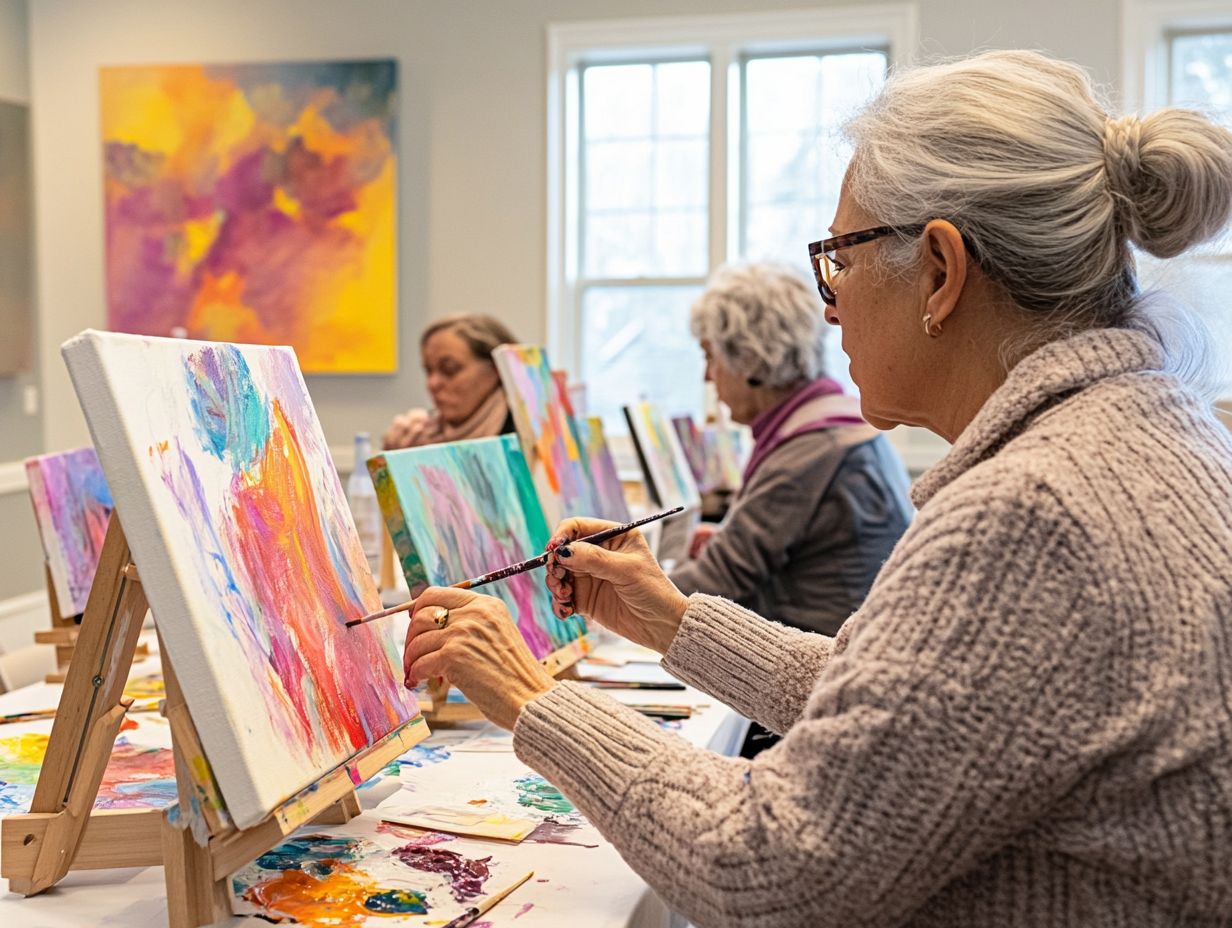
If you’re navigating cancer treatment, you might find that art offers more than just a creative outlet—it can be a powerful way to manage the emotional challenges that often come with a diagnosis. Art therapy uses creative activities like painting, drawing, and sculpting to help you express feelings that are hard to put into words. It supports mental well-being by reducing stress and anxiety, boosting self-esteem, and building emotional resilience throughout your treatment journey. This article explores how art therapy works, its benefits, common techniques, helpful resources, and ways to include it in your overall care plan.
Understanding Art Therapy and Its Role in Cancer Care
Art therapy is a form of treatment that combines the creative process with psychological support, guided by trained art therapists. If you’re dealing with cancer, you might feel overwhelmed by emotions like fear, sadness, or uncertainty. Art therapy gives you a safe, non-verbal space to explore and express these feelings, which can be difficult to communicate through words alone. This approach fosters emotional healing, allowing you to process your experience in a way that feels natural and supportive.
Emotional and Psychological Challenges Faced by Cancer Patients
Receiving a cancer diagnosis affects not only your body but also your mind. It’s common to experience anxiety about treatment, grief over changes in your lifestyle or health, and depression caused by the stress of the illness. These emotional challenges can feel isolating, but addressing them is crucial for your overall well-being. Combining art therapy with your medical care can help you regain a sense of control and hope.
How Art Therapy Supports Coping and Healing
When you engage in art therapy, creating visual pieces becomes a way to communicate your inner world. Whether it’s painting with watercolors or sculpting with clay, each art activity can help you process complex emotions and reduce feelings of isolation. Through sessions with an art therapist, you’re encouraged to reflect on your artwork, unlocking insights about your feelings and fostering emotional release. This process often leads to greater self-awareness, empowerment, and social connection.
Common Art Therapy Techniques You Can Try
- Drawing lets you use pencils, charcoal, or pastels to visualize emotions.
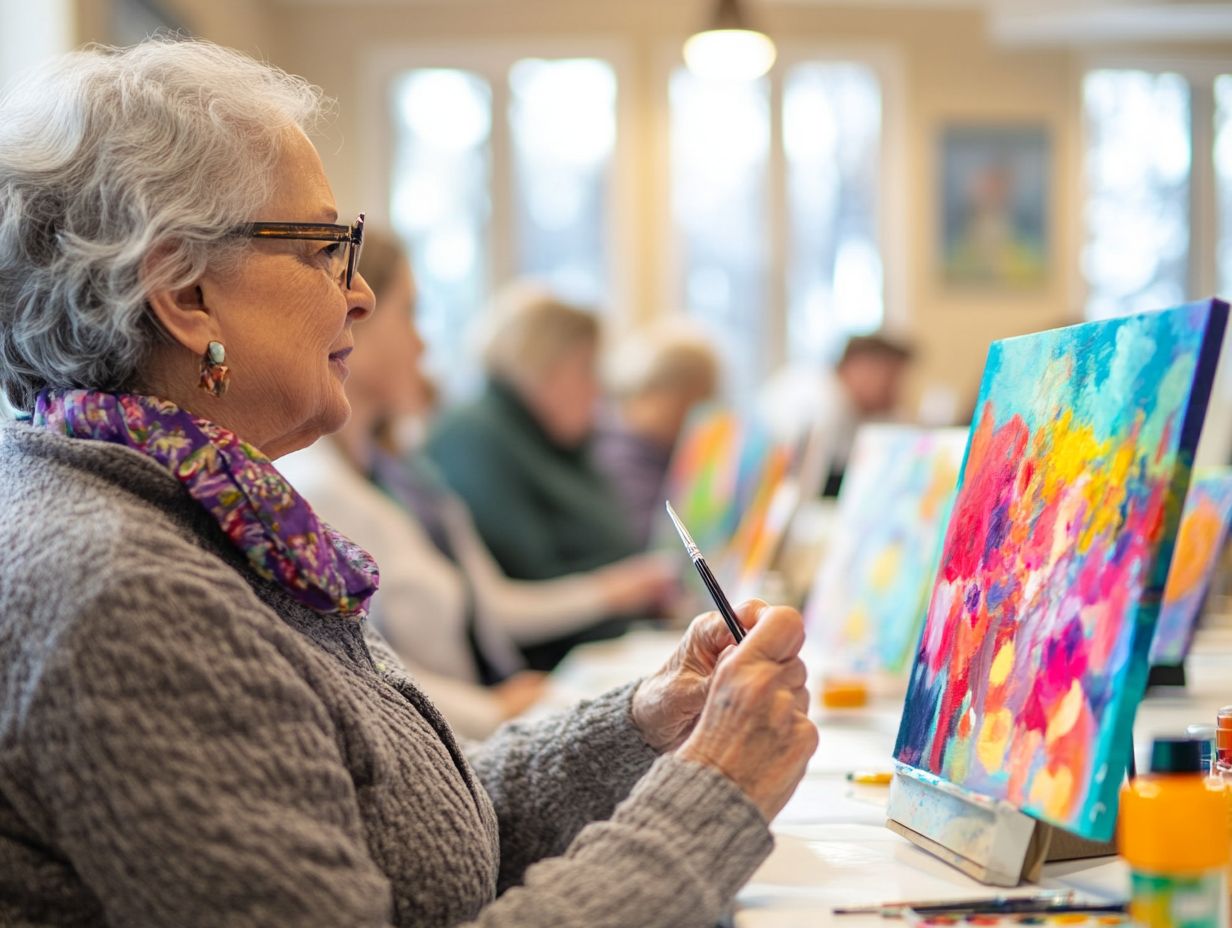
- Painting with acrylics or watercolors offers fluid expression and stress reduction.
- Sculpting with clay or other materials provides tactile engagement and helps shape feelings in a tangible form.
- Collage-making combines images and textures to create symbolic representations of your experience.
These techniques are accessible regardless of prior art experience and are adapted to your comfort level.
Finding Art Therapy Resources
You don’t have to look far to find art therapy resources that can support you:
- Community Art Programs: Organizations like Kits to Heart in Baltimore, Maryland offer in-person workshops that combine art with emotional counseling.
- Online Platforms: Websites such as Art for Cancer provide virtual sessions you can join from home, guided by professionals.
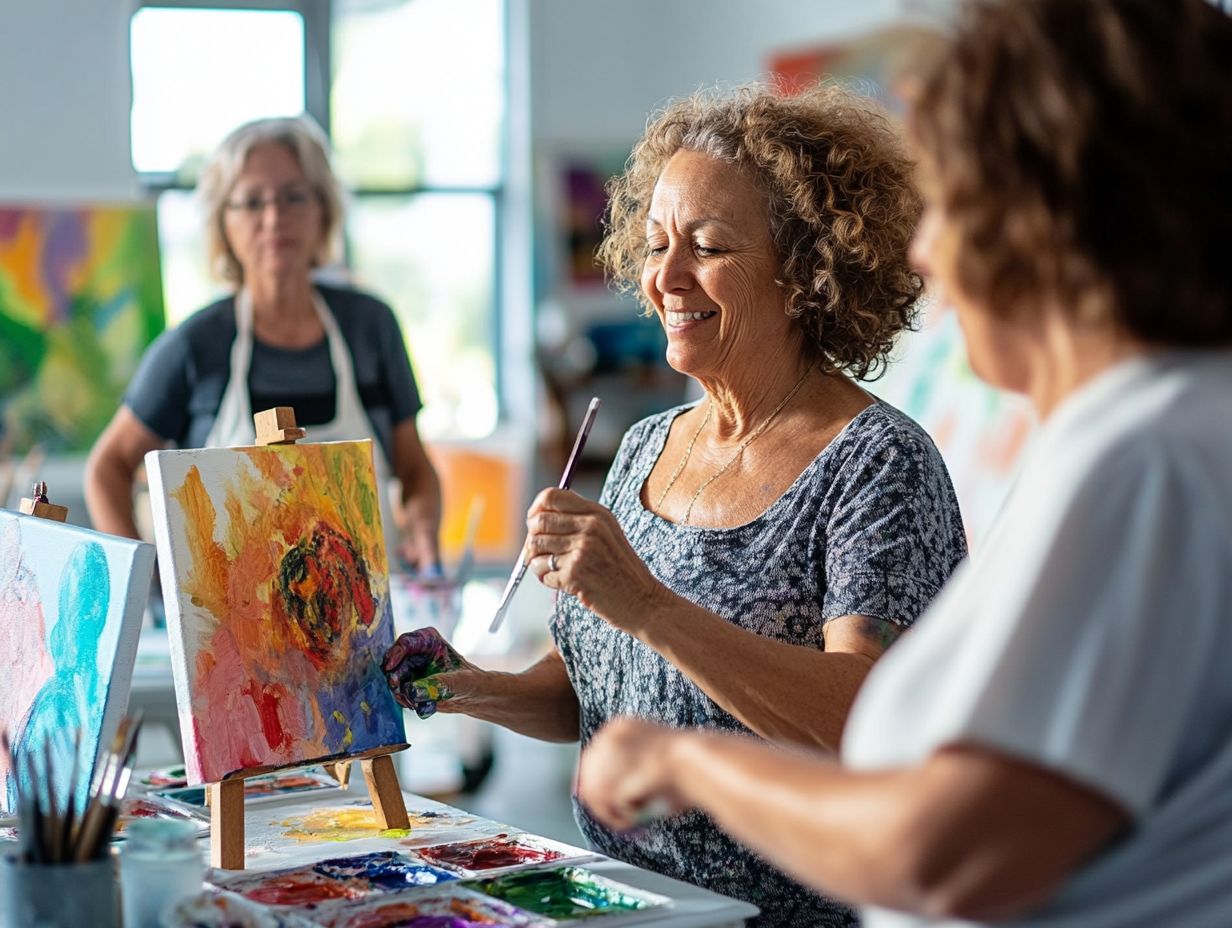
- Local Workshops: Many hospitals and cancer support centers organize group art therapy sessions to connect you with peers and trained therapists.
These programs help build coping skills and foster a supportive environment during treatment.
For more information about art therapy, consider exploring resources from the National Cancer Institute and Cancer Support Community.
Incorporating Art Therapy into Your Cancer Care

You can integrate art therapy into your treatment by discussing it with your healthcare team and connecting with certified art therapists. Regular sessions can complement medical treatments like chemotherapy by addressing emotional needs and promoting mindfulness. By maintaining open communication with your medical providers and therapists, you ensure your art therapy supports your overall care plan effectively. Remember, the goal is to enhance your quality of life through creative expression and emotional healing.
Frequently Asked Questions
What is art therapy, and do I need to have artistic skills to participate?
Art therapy is a guided creative process facilitated by trained therapists to help you explore emotions related to cancer. No prior art skills are needed—these programs are designed for people of all backgrounds and abilities.
How can art therapy help reduce anxiety and improve my mood during cancer treatment?
Engaging in creative activities allows you to express difficult feelings in a non-verbal way, which can lower stress hormones and increase positive emotions. Reflecting on your art with a therapist encourages emotional processing and resilience.
Where can I find art therapy programs near me or online?
Many cancer centers offer in-person workshops. You can also access virtual sessions through platforms like Art for Cancer or local support groups. Your healthcare provider or social worker may help you find suitable options.
Is art therapy covered by insurance or free for cancer patients?
Coverage varies depending on your insurance and the program. Some community organizations offer free or low-cost services. It’s best to contact each provider for specific information.
Can caregivers and family members participate in art therapy?
Yes, many programs welcome caregivers and loved ones to join sessions, providing shared healing experiences and support.
Art therapy offers a compassionate, creative approach to help you face the emotional journey of cancer. If you’ve been searching for a meaningful way to express yourself and build emotional strength, art therapy might be a valuable addition to your care. For more detailed guidance, visit the Mayo Clinic overview on art therapy or watch informative videos like those from Cancer Research UK’s art therapy playlist.